
Nutan Gandharv Appasaheb Deshpande Amrut Mohotsav
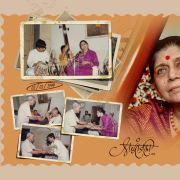
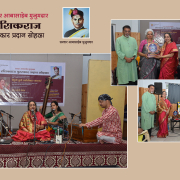
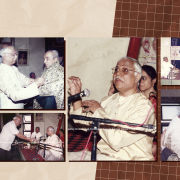
On 30th January 2000, Deval Club hosted a memorable vocal programme as part of the “Nutan Gandharv Appasaheb Deshpande Amrut Mohotsav” at the Deval Club Auditorium. Looking back, this event stands out as a fine example of Deval Club’s long-running commitment to presenting and preserving Indian classical music through thoughtfully curated concerts.
The evening featured Pandit Vinayak Torvi (Vocal Artist) in a vocal presentation that reflected the spirit of the festival and its dedication to the classical tradition. The programme served as a meaningful gathering point for rasikas and members to experience the depth and richness of vocal music in an intimate setting.
What makes this archival entry especially valuable is that a recording of the programme is available, allowing today’s listeners to reconnect with the sound and atmosphere of that evening. Moments like these remind us that the Deval Club archive is not just history on paper—it’s living cultural memory, preserved through recordings and photographs.
As we revisit this concert “on this day in history,” we celebrate the artists, the organisers, and the community that keeps this tradition thriving across generations. If you were present at this event or have memories connected to it, we’d love for you to share them with us.
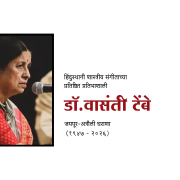
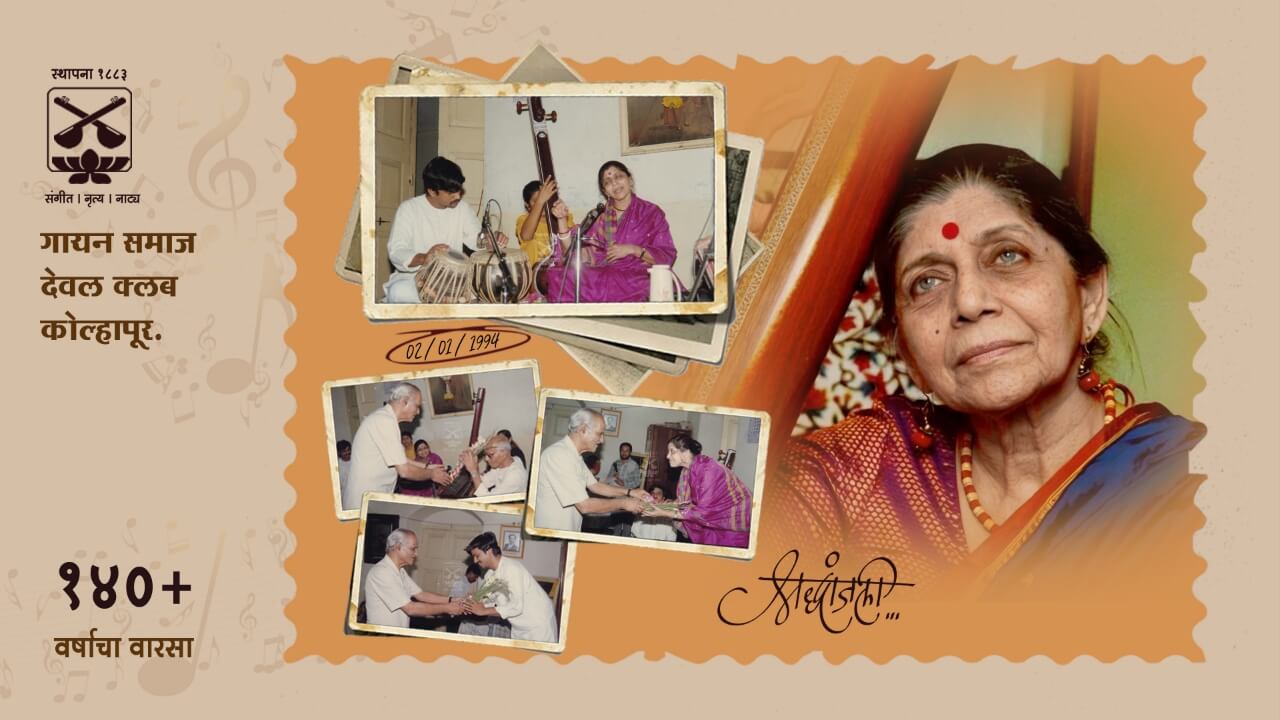
Dr. Vasanti Tembe, a distinguished exponent of Hindustani classical music, passed away on January 18, 2026. A devoted disciple of the Jaipur-Atrauli Gharana, she was part of the rich musical lineage of Ustad Alladiya Khan. Her music bore the unmistakable stamp of this tradition, marked by unshakeable discipline and refined mastery.
She had, with enormous dedication and rigorous application, acquired profound mastery in the Jaipur-Atrauli tradition of khayal gayaki. In her presentation, one could experience an aesthetically balanced fusion of swara and laya. True to the tradition of her Gharana, she was adept at portraying the intricate design of a raga as suggested in the chosen bandish. Her music reflected a deep-seated zeal for achieving excellence in alaap, badhat, and taankriya, which she used masterfully to express her own thoughtful interpretation of the raga. Her artistry was further enriched by the melodious compositions of the late Shree Govindrao Tembe, passed down to her through her familial heritage.
Born into a musically enriched family—her father, Shree V.A. Kirpekar, was a renowned violinist, and she was the granddaughter-in-law of the legendary harmonium virtuoso Govindrao Tembe—Dr. Tembe carried forward this legacy with exceptional dedication. Her formal training began at the age of five, and she went on to learn under stalwarts like Pt. Anandrao Limaye and Pt. Madhusudan Kanetkar, both direct disciples in the Alladiya Khan lineage. She earned an M.A., M.Phil., and Ph.D. in music, with her doctoral research focusing on an analytical study of Jaipur Gharana bandishes. A high-grade artist of All India Radio, she was also the recipient of accolades such as the Manik Verma Puraskar and Sphurti Puraskar.
Dr. Tembe performed extensively across India, gracing prestigious platforms such as the National Centre for Performing Arts (Mumbai), Bharat Gayan Samaj (Pune), and various Gharana smriti samaroha. Her demise marks the loss of a vital and irreplaceable string in the Jaipur-Atrauli Gharana tradition in Kolhapur—an end of a musical current that flowed with depth, rigor, and grace through her voice.